
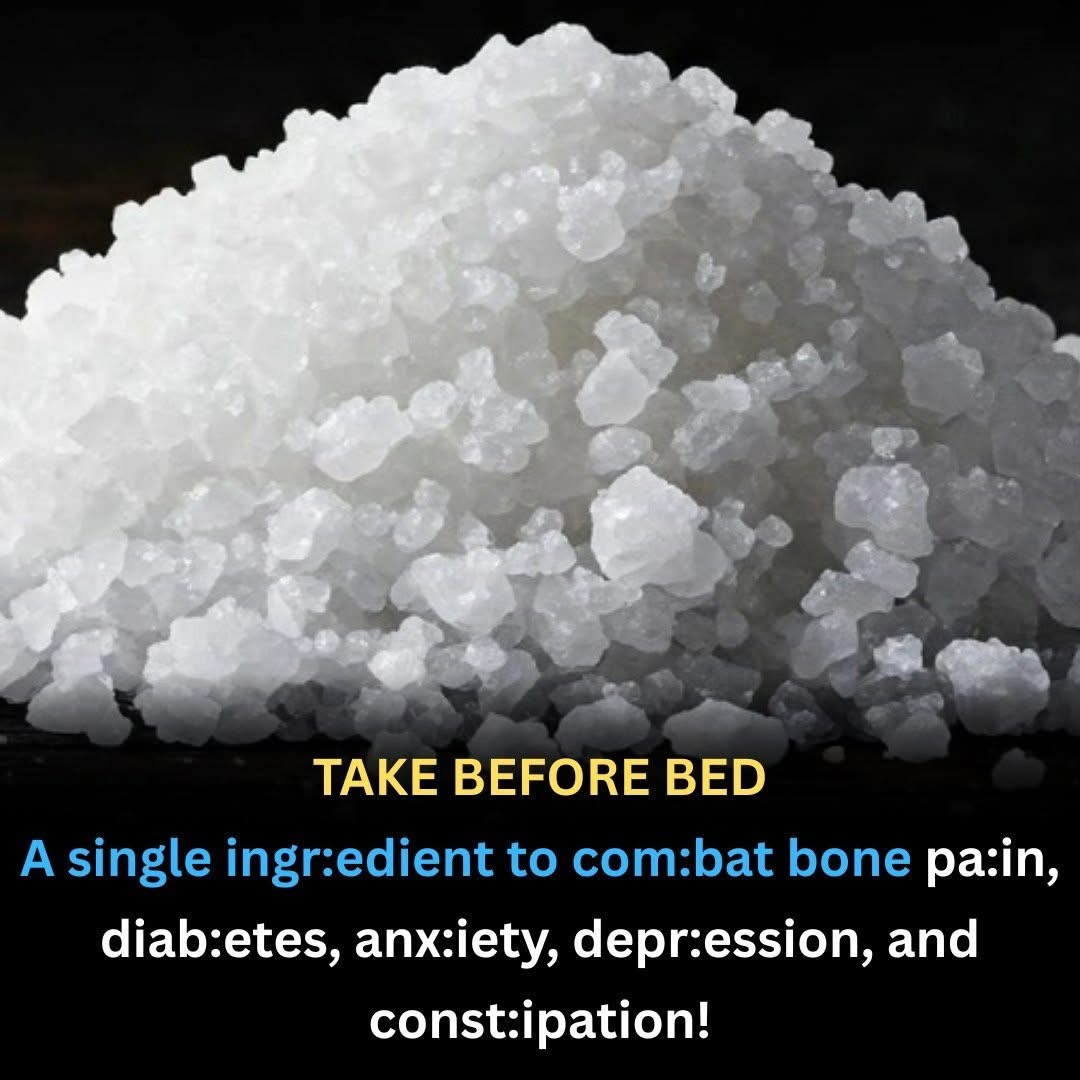
You’ve heard of superfoods.
You’ve tried supplements.
But there’s one unsung hero quietly working behind the scenes in your body — a mineral so vital, it’s involved in over 300 biochemical reactions , yet nearly half of all adults don’t get enough .
Meet magnesium — not a flashy trend, but a foundational nutrient that could be the missing piece in your health puzzle.
From calming anxiety and relieving muscle cramps to supporting heart health, blood sugar control, and deep sleep , magnesium is a silent powerhouse that impacts nearly every system in your body.
And if you’re struggling with fatigue, insomnia, or unexplained aches, low magnesium might be why .
Let’s dive into the science-backed benefits , common deficiency signs , and how to use magnesium effectively — so you can feel your best, naturally.
🧪 What Is Magnesium & Why Is It So Important?
Magnesium is an essential mineral that your body can’t produce on its own — you must get it from food or supplements.
It plays a crucial role in:
-
- ✅ Energy production (ATP synthesis)
-
- ✅ Muscle and nerve function
- ✅ Bone health (60% of your body’s magnesium is stored in bones)
-
- ✅ Heart rhythm and blood pressure regulation
- ✅ Blood sugar control
- ✅ DNA and protein synthesis
🔬 The National Institutes of Health (NIH) confirms: Magnesium is vital for over 300 enzyme systems in the body.
🚩 7 Signs You Might Be Low in Magnesium
Magnesium deficiency is underdiagnosed because blood tests don’t always reflect total body stores. But your body sends signals.
1. Muscle Cramps & Twitches
- Leg cramps at night? Eye twitches? These are classic signs of low magnesium, which helps regulate muscle contractions.
2. Fatigue & Low Energy
- Without enough magnesium, your cells can’t produce energy efficiently.
3. Anxiety, Irritability, or Depression
- Magnesium helps regulate GABA , a calming brain chemical. Low levels are linked to increased anxiety and poor stress response.
4. Poor Sleep or Insomnia
- Magnesium promotes relaxation and helps regulate melatonin. Many use it as a natural sleep aid .
5. Bone Pain or Osteoporosis Risk
- Magnesium works with calcium and vitamin D to build strong bones. Deficiency can weaken bone density.
6. High Blood Pressure
- Studies show magnesium helps relax blood vessels , supporting healthy blood pressure.
7. Constipation
- Magnesium draws water into the intestines and relaxes digestive muscles — making it a gentle, effective natural laxative.
🏆 6 Science-Backed Health Benefits of Magnesium
1. 🍃 Relieves Constipation (Magnesium Citrate)
- How it works: Draws water into the colon and softens stool.
- Best form: Magnesium citrate or oxide.
- 💡 Dose: 200–400 mg daily (adjust based on bowel response).
2. 🧠 Reduces Anxiety & Depression
- A 2017 study in PLOS One found that magnesium supplementation reduced anxiety symptoms in just 2 weeks .
- Works by calming the nervous system and regulating neurotransmitters.
3. 🩺 Supports Blood Sugar Control (Great for Diabetes)
- Magnesium improves insulin sensitivity .
- Research shows low levels are linked to higher risk of type 2 diabetes .
- Supplementing may help lower blood sugar and HbA1c.
4. 💤 Improves Sleep Quality
- Magnesium glycinate or threonate are popular for sleep.
- Helps with falling asleep faster and staying asleep longer .
5. ❤️ Supports Heart Health
- Helps maintain normal heart rhythm and blood pressure.
- Linked to lower risk of stroke and cardiovascular disease .
6. 💪 Relieves Muscle Pain & Cramps
- Especially helpful for leg cramps, restless legs, and exercise recovery .
- Athletes often use it to prevent soreness.
💊 Best Forms of Magnesium (And What They’re Best For)
✅ Tip: Start with 200–300 mg daily and increase gradually.
🍽️ Top Food Sources of Magnesium
You can boost your intake naturally with magnesium-rich foods:
- 🥬 Leafy greens (spinach, Swiss chard)
- 🥜 Nuts & seeds (pumpkin seeds, almonds, cashews)
- 🍌 Bananas & avocados
- 🐟 Fatty fish (salmon, mackerel)
- 🍚 Whole grains (brown rice, quinoa, oats)
- 🍫 Dark chocolate (70%+) — yes, really!
📉 Modern farming and processed diets have reduced magnesium in food — making supplementation more important than ever.
⚠️ Who’s at Risk for Deficiency?
- Older adults (absorption decreases with age)
- People with digestive disorders (Crohn’s, celiac)
- Those with type 2 diabetes (increased urinary loss)
- Heavy alcohol users
- Long-term users of proton pump inhibitors (PPIs) or diuretics
🛑 Safety & Side Effects
✅ Safe for most people at recommended doses
✅ Upper limit: 350 mg/day from supplements (NIH)
❌ Too much can cause: Diarrhea, nausea, abdominal cramping
❌ Rare but serious: Very high doses can cause irregular heartbeat or low blood pressure
🩺 Consult your doctor if you have kidney disease or take medications.
Final Thoughts
Magnesium isn’t a miracle cure — but it’s one of the most impactful, underused nutrients in modern health.
From calming your mind and aiding digestion to supporting your heart and bones , this essential mineral is a true multitasker .
So if you’re feeling tired, tense, or just “off” — consider this:
You might not need more coffee.
You might just need more magnesium.
Because sometimes, the simplest solutions are the ones that make the biggest difference