
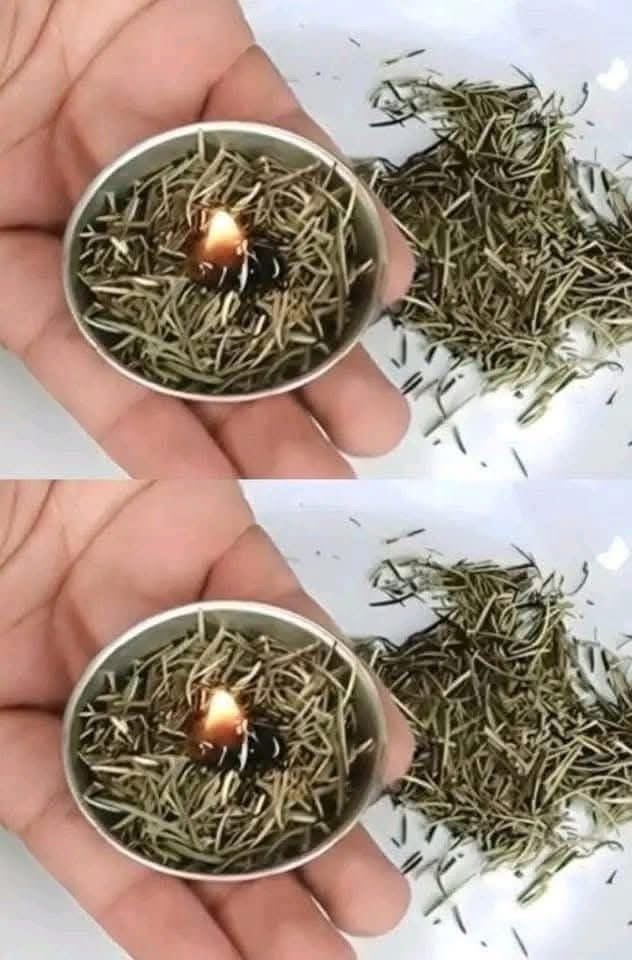
A Glimpse into Rosemary’s Rich Historical Tapestry
Ancient and Traditional Usage:
Historically, rosemary was revered for its supposed purifying qualities. In Roman times, it was used to cleanse spaces and was believed to offer protection against infectious diseases.
Symbolism and Spiritual Use:
During the medieval period, rosemary was attributed with magical properties. It was used in rituals and ceremonies, serving as a safeguard against malevolent spirits and illnesses.
Romantic and Protective Symbol:
Rosemary held a special place in romantic and marital traditions. It symbolized loyalty and was incorporated into various nuptial customs.
Funeral Rituals:
In some regions, rosemary also featured in funeral practices, symbolizing eternal rest. It was often burned in place of incense.
Burning Rosemary: Aromatic and Therapeutic Potential
Air Purification:
When burned, this aromatic herb is celebrated for its air-purifying qualities—an idea dating back to beliefs that it could cleanse plague-stricken areas. Modern science also supports its antimicrobial properties.
Stress Alleviation:
Rosemary’s calming scent has been associated with promoting a tranquil, stress-free environment.
Insect Repellent:
The smoke of burning rosemary can help repel insects, offering a natural alternative to synthetic repellents.
Mental and Physical Wellness:
The discovery of rosemary oil—allegedly gifted to Queen Isabella of Hungary in 1370—paved the way for its use in treating ailments such as rheumatism and possibly depression.
To burn rosemary, simply use an incense burner or heat-proof holder. Light the tip of a sprig, then gently blow out the flame to allow it to smolder and release its fragrant, beneficial smoke into your space.
The Therapeutic Properties: A Deeper Dive
The smoke of burning rosemary releases compounds such as rosmarinic acid, known for their antioxidant and antimicrobial effects. These may contribute to air purification and offer some protection against free radical damage.
However, it’s essential to use caution: burning herbs can release potentially irritating or toxic fumes. Always ensure proper ventilation and avoid prolonged or excessive inhalation of smoke. Before using rosemary—or any herbal remedy—for health purposes, it’s advisable to seek professional medical advice.
In essence, while rosemary is widely appreciated in culinary traditions, its aromatic virtues, symbolic depth, and potential therapeutic and environmental benefits make it an herb worthy of exploration far beyond the kitchen.